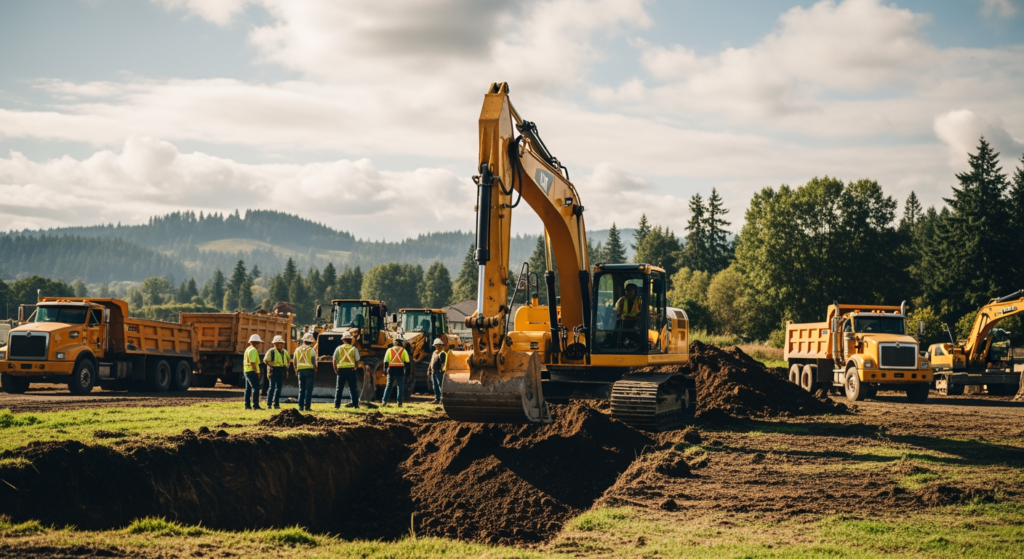
When you need an excavating contractor in Everson, WA, finding someone who understands local soils, drainage, and permitting can save time and money. For a reliable starting point, I recommend checking out excavating contractor in Everson, WA and reviewing regional regulations on the Washington State Department of Ecology website to understand environmental rules that can affect site work. I’ll walk you through what matters here in the city, common project types, how to vet contractors, and practical steps you can take to avoid surprises.
Why proper excavation matters in this area
Everson sits in a landscape shaped by the Nooksack River and nearby agricultural plains. That means soils can be variable — from compact glacial deposits to softer floodplain sediments — and drainage is a frequent concern for homeowners and builders alike. Improper excavation can trigger slope failures, poor drainage that sends water into foundations, and erosion that damages neighboring properties. For renovation, new construction, or land clearing, the right contractor will anticipate these problems and design work to prevent them.
Common projects local excavating contractors handle
Local excavating teams typically work on a broad range of residential and small commercial jobs. Knowing what each service includes will help you compare bids and set clear expectations before work begins.
- Site clearing and grading for homes, driveways, and outbuildings.
- Foundation and footing excavation for new builds and additions.
- Septic system excavation and replacement.
- Trenching for utilities and drainage installations.
- Driveway and access construction including base preparation and culvert placement.
Specialized services you might need
Some contractors offer value-added services that are especially useful in this part of Whatcom County: erosion control planning, stormwater management, and coordinated work with surveyors and engineers. Others bring technology such as GPS-guided grading or 3D machine control which increases accuracy for complex grades and reduces rework.
Trending topics in excavation you should know about
Two trends are shaping how excavation work gets done in small towns and rural areas right now. First, climate resilience and low-impact development are driving more attention to drainage design, native-plant buffer zones, and permeable surfaces. Second, tech-driven accuracy—GPS machine guidance and 3D modeling—means faster, cleaner grading with less material movement. Both trends reduce long-term maintenance and often deliver better results on properties that border creeks, wetlands, or agricultural land.
How to vet and hire an excavating contractor
Hiring the right contractor is part checklist and part conversation. I recommend these practical steps to reduce risk and pick a crew that will deliver on time and on budget.
- Ask for references and recent project photos so you can see similar work in similar soils or terrain.
- Verify insurance and bonding to protect your property and avoid liability if something goes wrong.
- Request a written scope that describes the work, materials, equipment to be used, expected start and finish dates, and how change orders will be handled.
- Confirm that the contractor will obtain required permits and schedule inspections, and ask how they handle utility locates before digging.
Permits, utilities, and local rules
Permit requirements are not the same everywhere. In Whatcom County and nearby jurisdictions, excavation that affects grading, stormwater flow, wetlands, or septic systems usually triggers permits and inspections. Before digging, contractors should check local building codes, coordinate with utility-locating services, and avoid unmarked lines. For environmentally sensitive sites close to the Nooksack River or small wetlands, additional restrictions may apply. Ask your contractor how they address erosion control, sediment barriers, and restoration of disturbed areas.
Typical costs and scheduling expectations
Excavation pricing depends on many factors: the volume of material to move, soil type, access to the site, distance to dump spoil, whether rock removal or dewatering is needed, and whether permits or engineered plans are required. In general, smaller residential jobs such as driveway grading or septic trenches will be charged differently than larger site-prep jobs that require heavy machinery and multiple crew days. Expect the contractor to provide a cost breakdown that separates labor, equipment, materials, and disposal fees so you can see where money goes. Schedules may shift in the rainy season, so allow flex time for weather delays.
Common pitfalls and how to avoid them
Avoiding common mistakes is mostly about planning and communication. Here are frequent issues I see and how to prevent them:
Inadequate site investigation. Skipping a basic soil or drainage assessment often leads to unexpected costs when poor soils or buried debris are encountered. Ask for site reconnaissance before finalizing the price.
Poor communication about scope. Misunderstandings about who provides materials, who handles disposal, and what “level finish” means can become disputes. Get those details in writing and confirm change-order procedures.
Insufficient erosion control. Especially near streams, failing to install silt fencing or temporary sediment ponds can cause fines and costly restoration work. Make sure your contractor includes erosion controls in the bid.
Ignoring staging and access challenges. If equipment can’t reach the work area easily, the job takes longer and costs more. Discuss access routes, parking, and any neighbor impacts well before work starts.
How the right crew solves your biggest problems
A skilled excavating contractor combines local knowledge, practical solutions, and the right equipment. For example, a contractor who understands seasonal high-water periods will design grading that moves surface water away from foundations and into safe conveyance channels. If poor soils are a problem, the crew might plan for undercut and import structural fill with proper compaction testing. For septic work, experienced teams coordinate with state inspectors to ensure trenches are backfilled and tested per code. These practical actions reduce callbacks and protect your investment.
Final checklist before ground is broken
Before the first bucket hits dirt, walk through this short checklist. It catches the common items I’ve seen cause delays or disputes and helps keep your project on track.
- Have a signed contract that clearly describes the scope, schedule, and payment terms.
- Verify permits are pulled and inspections scheduled where required.
- Confirm utility locates are complete and marked, and that sensitive areas are protected.
- Agree on daily start/stop times, site access rules, and cleanup expectations to minimize neighbor impact.
Questions to ask during your estimate walkthrough
When a contractor visits your property, use the time to get clarity. Ask how they will handle rain delays, where they will stockpile material, what compaction standards they use, whether they use GPS grading technology, and who your point of contact will be on site. The best contractors welcome questions and explain tradeoffs plainly; if answers are vague, consider getting another estimate.
Local considerations for neighborhoods near the river and Sumas Prairie
If your property borders low-lying farmland, creeks, or drainage ditches common around Everson and the Sumas Prairie, extra care is required. Contractors should consider seasonal water tables, the potential for saturated soils, and the need for culverts under driveways or access roads. Properly sized culverts, well-compacted approach fills, and restored ditch lines make properties more resilient to heavy rains. Always ask about the contractor’s experience working in similar neighborhoods so you know they’ve managed these conditions before.
How to save money without cutting corners
Cost savings come from planning and selection rather than from skipping critical steps. Consider phasing work to match permitting timelines, completing landscape restoration in the growing season for better survival of plantings, and asking for a value-engineered approach that suggests alternatives with similar performance at lower cost. Re-using on-site material as structural fill where appropriate can also reduce hauling and disposal fees, but only after confirming suitability through testing.
Wrap-up and next steps
Choosing the right excavating contractor in Everson, WA is about matching local know-how with clear communication and a written plan. Prioritize contractors who understand regional drainage, permitting, and soil conditions, and who provide transparent scopes and timelines. Start with a thorough estimate walkthrough, verify insurance and permits, and get a contract that protects both parties.
If you’re ready to get an estimate or want a contractor who knows the area, contact Blind Horse LLC for a consultation. They can help evaluate your site, explain permitting needs for Everson and nearby neighborhoods, and outline practical steps to keep your project on schedule and on budget.